Rancherías Afternoon Tour in Riohacha
Itinerary Rancherías Afternoon Tour in Riohacha
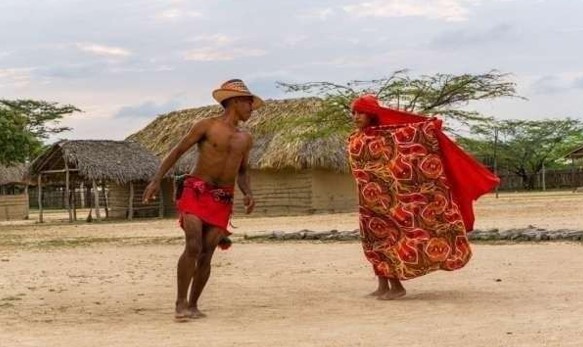
The Rancherías Afternoon Tour in Riohacha offers a unique opportunity to get to know and experience up close the Wayuu culture, one of Colombia’s most important indigenous communities. During this tour, you will have the chance to explore the rancherías, discover ancestral traditions, and enjoy a cultural performance that represents the region. Additionally, you will be able to taste a delicious traditional Wayuu dish, allowing you to dive even deeper into their rich gastronomy. This is an ideal tour for those seeking to learn more about the indigenous culture in La Guajira and enjoy a unique and authentic afternoon.
Inclusions
Private Transportation: Comfortable round-trip transfers from your accommodation in Riohacha to the rancherías, ensuring you make the most of each experience.
Transportation: Transfers to the ranchería in an appropriate vehicle.
Gastronomy: Tasting of a traditional Wayuu dish.
Activities: Cultural performance that includes dances and traditions.
What You Should Know
Duration of the tour: The tour lasts approximately 2 hours, from 2:30 pm to 4:45 pm.
Accessibility: The tour is suitable for all ages, but it is recommended to wear comfortable clothing and sun protection.
Weather: The afternoon can be warm, so it is important to stay hydrated and be prepared for the sun.
Health and safety: Remember to apply sunscreen and stay hydrated during the tour. At Transfers & Tours Colombia, we follow all safety protocols, including biosecurity measures.
Easy Booking:
Frequently Asked Questions
What cultural activities can I expect on this tour?
You will enjoy a cultural performance in the ranchería, including dances, music, and stories about the Wayuu traditions.
Does the tour include food?
Yes, the tour includes a tasting of a traditional Wayuu dish, prepared with local ingredients.
Where does this tour take place?
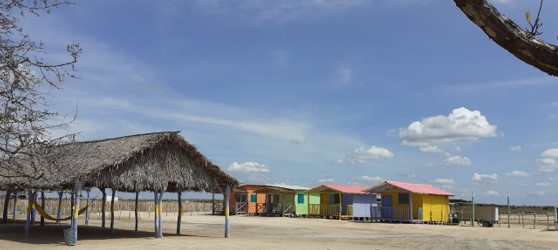
This tour takes place in the rancherías near Riohacha, in the heart of La Guajira.
Fun facts:
The Wayuu are the largest indigenous community in Colombia, and their territory spans both the Colombian and Venezuelan Guajira regions.
Wayuu cuisine is very varied, with typical dishes like rice with shrimp and goat stew.
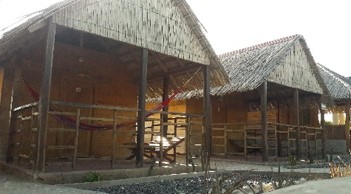
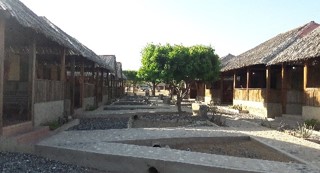
Wayuu rancherías are traditionally built with natural materials like iraca palm, making them perfectly suited to the region’s climate.